
Albuquerque Car Accident Attorney — Call Peter at 900-9000
You were in a crash. The other driver's insurance company may already be working to minimize what they owe you. Before you say a word to any adjuster, call me. I'm Peter Romero, and I've spent 25 years handling car accident cases across New Mexico — every case personally, every call answered by me.
What New Mexico Law Actually Entitles You to Recover
Most people who come to me after a car accident think their case is about their medical bills. It's not — or at least, it shouldn't be. New Mexico law allows injured drivers and passengers to pursue compensation for the full range of losses a crash causes.
Depending on the facts of your case, recoverable damages may include:
- Medical expenses, including emergency care, surgery, physical therapy, and future treatment
- Lost wages and reduced earning capacity if your injuries affect your ability to work
- Vehicle repair or replacement costs
- Pain and suffering, including emotional distress and loss of enjoyment of life
- Permanent disability or disfigurement where applicable
I evaluate every case against this full picture. Nothing gets left on the table because I didn't ask the right questions.
How Fault Works in New Mexico — and Why Partial Fault Doesn't End Your Claim
New Mexico follows a pure comparative fault rule. That means even if you were partially responsible for the crash, you can still recover damages — your award is simply reduced by your percentage of fault. If a jury finds you 20% at fault and awards $100,000, you receive $80,000.
Insurance adjusters know this rule well, and they use it aggressively. They will look for any reason to assign you a higher percentage of fault than the evidence actually supports — because every point of fault they shift to you reduces what they owe. I've been on the other side of that strategy for 25 years. I know how to push back.
If you're worried the accident was partly your fault, call me before you decide anything. The law may give you more room than you think.
Albuquerque's Most Dangerous Roads — and Why Location Matters to Your Case
Albuquerque's traffic patterns create predictable accident clusters. The I-25 and I-40 interchange — the Big I — sees some of the highest crash volumes in the state. Central Avenue, Gibson Boulevard, Coors Boulevard, and Paseo del Norte are documented high-frequency corridors where speed, congestion, and driver behavior combine to produce serious collisions.
Knowing where an accident happened matters to how a case is built. Traffic camera coverage, signal timing records, road condition history, and witness availability all vary by location. Because I've practiced here for my entire career, I know which intersections have a documented history, which agencies maintain what records, and how to use that information to build a stronger claim.
This is the difference between an attorney who handles New Mexico cases and one who knows New Mexico.
What to Do After a Car Accident in Albuquerque
The decisions you make in the hours and days after a crash directly affect the strength of your claim. Here's what matters most:
1. Get Medical Attention Immediately
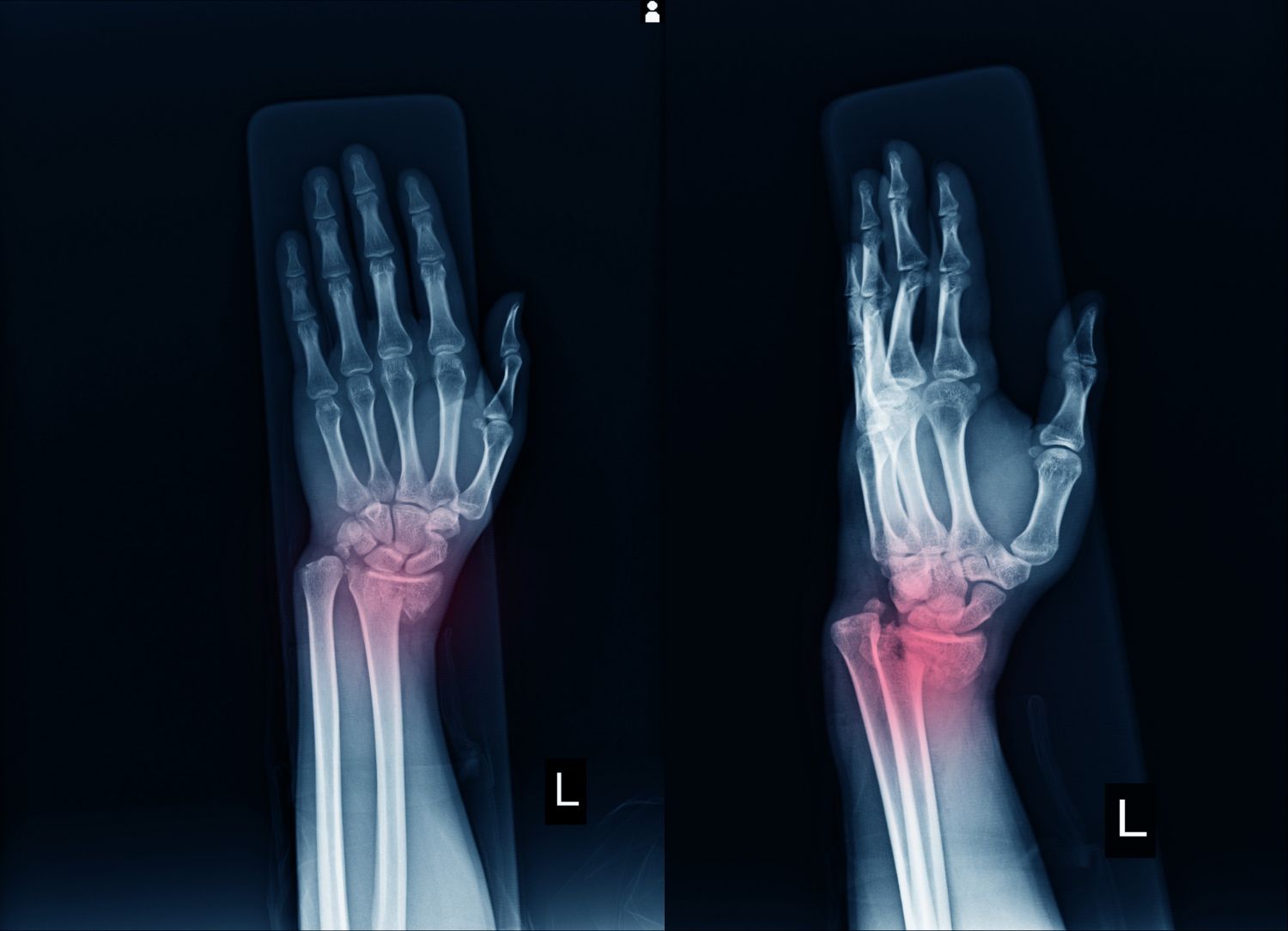
Even if you feel fine at the scene, see a doctor the same day. Whiplash, soft tissue injuries, and traumatic brain injuries often don't produce obvious symptoms right away. A gap between the accident and your first medical visit gives the insurance company a reason to argue your injuries weren't caused by the crash.
2. Document Everything You Can
Photograph the vehicles, the road, the intersection, and any visible injuries. Get the other driver's insurance information, license plate, and contact details. Collect names and numbers from witnesses before they leave the scene.
3. Call Me Before You Call Their Insurance Company
You are not required to give a recorded statement to the other driver's insurer. In fact, doing so before you have legal counsel is one of the most common ways accident victims hurt their own cases. Call me at 900-9000 first — the consultation is free and it costs you nothing to know where you stand.
Why I Handle Every Case Personally — and Why It Matters Here
Large personal injury firms route most client contact through paralegals and staff attorneys. You may speak to the attorney who signed your retainer once or twice before your case resolves. I work differently by design.
When you call 900-9000, you reach me. When your case needs investigation, I'm the one reviewing the police report, the medical records, and the accident reconstruction. When I negotiate with the insurance carrier, they're negotiating with the attorney who will try the case if they don't make a fair offer — not a junior associate.
I keep my caseload intentionally limited so I can give each client the attention their case requires. That's not a marketing line. It's the only way I know how to practice law.
What to Expect When You Work with Me
The auto accident claims process in New Mexico typically moves through several phases. Understanding the sequence helps you know what's coming and why each step takes the time it does.
- Investigation and documentation: I gather the police report, medical records, witness statements, and any available traffic or surveillance footage. For crashes on major corridors like I-25 or Central Avenue, this may include requesting NMDOT or city traffic camera records.
- Medical treatment and case development: Your case value can't be fully assessed until your medical treatment reaches a stable point. I stay in contact with you throughout this phase so nothing falls through.
- Demand and negotiation: Once we have a complete picture of your damages, I prepare a demand package and negotiate directly with the carrier. Most cases resolve at this stage.
- Litigation if necessary: If the insurance company won't make a fair offer, I file suit and take the case to trial. I've done it before and I'll do it again.
I'll explain where your case stands at every stage. You won't be left wondering what's happening.
Questions About Your Car Accident Claim
What is the statute of limitations for a car accident claim in New Mexico?
New Mexico gives you three years from the date of the accident to file a personal injury lawsuit. Missing that deadline almost always means losing your right to recover anything, regardless of how strong your case is. If your accident happened recently, you have time — but the sooner you start, the better your evidence holds up.Do I need to see a doctor right away, even if I feel okay?
Yes. Many serious injuries — including whiplash, soft tissue damage, and concussions — don't produce obvious symptoms in the first hours after a crash. If you wait days or weeks to seek treatment, the insurance company will argue that your injuries either weren't caused by the accident or weren't serious enough to warrant immediate care. Getting evaluated the same day protects both your health and your claim.What if the other driver doesn't have insurance?
New Mexico requires drivers to carry auto insurance, but not everyone does. If the at-fault driver is uninsured or underinsured, your own policy's uninsured motorist coverage may apply. I'll review your policy as part of the case evaluation and identify every available source of recovery — including your own UM/UIM coverage, any applicable umbrella policies, and potentially other liable parties.Should I accept the insurance company's first settlement offer?
Almost never. First offers from insurance adjusters are typically designed to close the claim quickly and cheaply — before you know the full extent of your injuries or what your case is actually worth. Once you accept a settlement, you waive your right to pursue additional compensation, even if your medical costs turn out to be far higher than expected. Talk to me before you respond to any offer.Can I still recover damages if I was partially at fault for the accident?
Yes. Under New Mexico's pure comparative fault rule, your recovery is reduced by your percentage of fault — but it isn't eliminated. If you were 30% at fault and your damages total $200,000, you can still recover $140,000. The insurance company will try to inflate your fault percentage to reduce their exposure. My job is to make sure the evidence tells the accurate story.
Ready to Find Out What Your Case Is Worth?
The consultation is free. There are no fees unless I win your case. And when you call 900-9000, you'll reach me — not a receptionist, not a paralegal, not a call center. Tell me what happened and I'll tell you exactly where you stand.