
Albuquerque Motorcycle Accident Attorney Fighting for Riders the Insurance Company Already Blamed
Motorcycle riders in New Mexico get blamed first and investigated second. I'm Peter Romero, and I've spent 25 years pushing back against exactly that — recovering compensation for injured riders across Albuquerque and throughout New Mexico when insurers tried to close the case before it was fully understood.
Why Motorcycle Crash Claims Are Different — and Harder
Being on a motorcycle doesn't make you at fault. But insurance adjusters often act like it does. Riders face a specific kind of bias in the claims process: assumptions of recklessness, premature fault assignments, and lowball offers made before the full picture of injuries is even known. At the same time, motorcycle accidents tend to produce far more serious injuries than car crashes — road rash, traumatic brain injury, spinal damage, and broken bones that require months of treatment and carry long-term consequences. That combination — severe injuries paired with a claims process that starts with the rider at a disadvantage — is exactly why having a motorcycle accident attorney Albuquerque riders can rely on makes a material difference in what you ultimately recover.
How Most New Mexico Motorcycle Accidents Actually Happen
The most common cause of serious motorcycle crashes in New Mexico isn't rider error. It's driver negligence — specifically, drivers who fail to see riders at intersections or who turn left across a rider's path without yielding. These crashes happen at highway speeds on I-40, on two-lane mountain roads like NM-14 (the Turquoise Trail) and NM-536 (Sandia Crest Highway), and on surface streets throughout Albuquerque where traffic is dense and sight lines are short. New Mexico's high desert climate supports year-round riding, which means exposure to negligent drivers isn't seasonal — it's constant. Understanding where and how these crashes occur helps me build the factual record that challenges an insurer's rush to blame the rider.
New Mexico Motorcycle Law: What You Need to Know
New Mexico has specific rules that affect how a motorcycle injury claim is evaluated, and knowing them matters before you speak to any insurer.
- Helmet law: New Mexico only requires helmets for riders under 18. Adult riders are not legally required to wear one. If you weren't wearing a helmet at the time of your crash, an insurer may attempt to use that against you — I know how to counter that argument.
- Lane-splitting: New Mexico prohibits lane-splitting. If the circumstances of your crash involve lane position, I'll analyze the specifics carefully before any statement is made.
- Comparative fault: New Mexico follows a pure comparative fault rule, meaning you can recover compensation even if you were partially at fault — your award is simply reduced by your percentage of responsibility. Insurers know this and will try to inflate your share of fault to reduce what they owe.
- Statute of limitations: In most motorcycle injury cases, you have three years from the date of the crash to file a lawsuit in New Mexico. Waiting too long forfeits your right to recover anything.
The Injuries Riders Sustain — and Why Early Settlement Is a Mistake
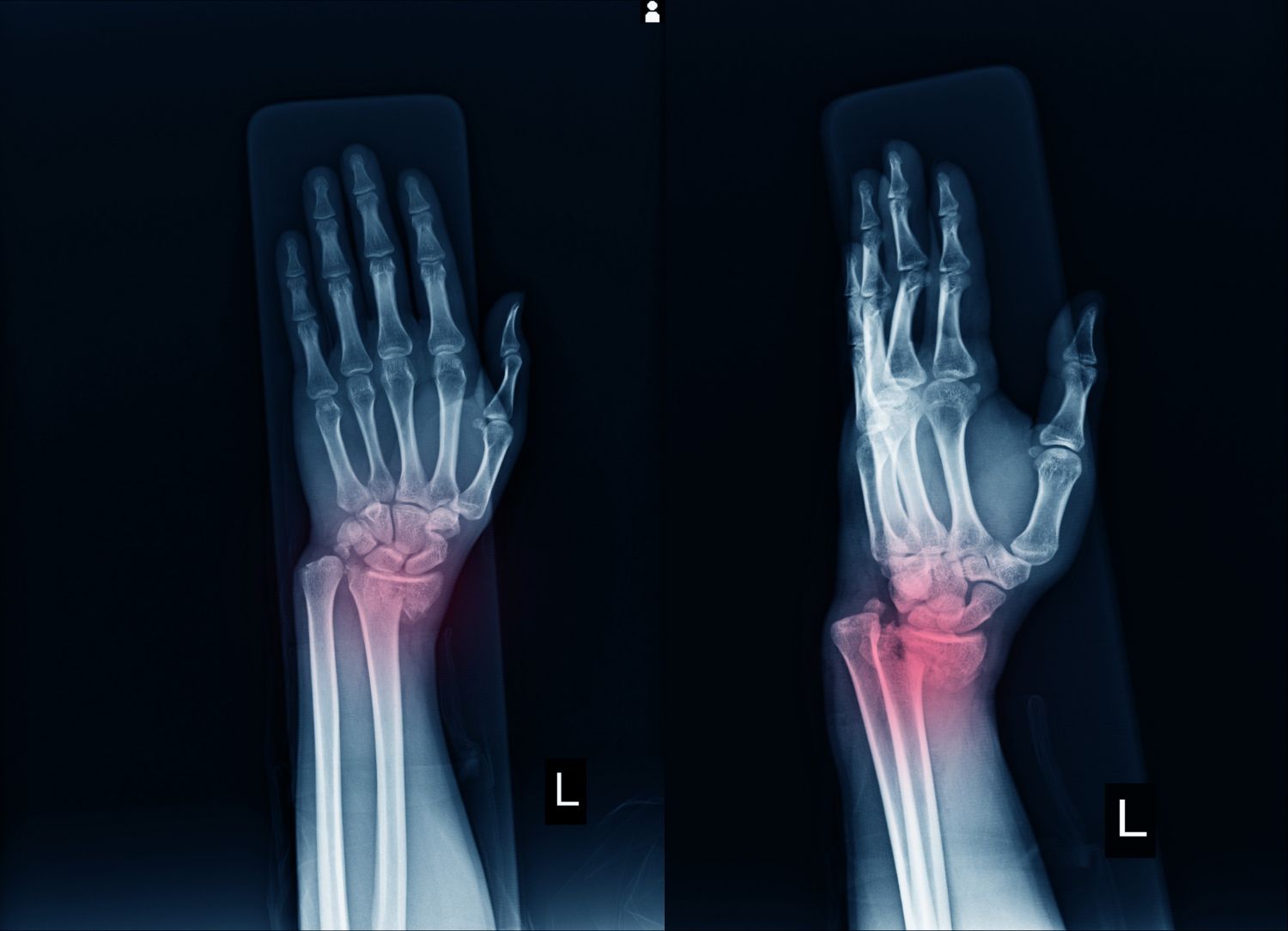
Motorcycle injuries are not like fender-bender injuries. The human body has no structural protection in a crash, and the consequences reflect that. Road rash can require skin grafting and leave permanent scarring. Head trauma — even with a helmet — can produce cognitive effects that don't fully surface for weeks. Spinal injuries can affect mobility for life. When an insurer calls early with a settlement offer, it's rarely because they're being generous. It's because they want to close the claim before the full scope of your injuries is documented. I don't recommend settlement until I understand what your medical future looks like — what ongoing treatment you'll need, what work you may not be able to return to, and what your life looks like on the other side of this. A quick settlement might feel like relief now and cost you for years.
Adjuster Bias Is Real — and I Know How to Challenge It
Insurance adjusters assigned to motorcycle claims often begin with an assumption: the rider did something wrong. That assumption shapes how they investigate, what evidence they request, and how they frame fault. I've handled enough of these cases to recognize the pattern immediately. When a fault assignment doesn't hold up under scrutiny — when the physical evidence, witness accounts, or traffic camera footage tells a different story — I build that case directly and push back. Riding a motorcycle is not evidence of negligence. I make sure that point is not lost in the process.
You Shouldn't Have to Manage Recovery and a Legal Fight at the Same Time
The period after a serious motorcycle crash is already overwhelming. You're dealing with medical appointments, pain, time away from work, and uncertainty about what comes next. Adding a complex insurance claim to that — with recorded statement requests, document demands, and adjuster calls — is too much. When you work with me, I take that off your plate entirely. I coordinate with your medical providers, handle all insurer communication, and keep you informed without burying you in process. Your job is to focus on getting better. Mine is to make sure the legal side of this doesn't get away from you.
What I Pursue in a Motorcycle Injury Claim
Every case is different, but the categories of compensation available to injured riders in New Mexico typically include:
- Medical expenses — emergency care, hospitalization, surgery, rehabilitation, and future treatment costs
- Lost income — wages lost during recovery and reduced earning capacity if injuries affect your ability to work
- Pain and suffering — physical pain and the emotional toll of the crash and recovery
- Permanent scarring or disfigurement — particularly relevant in road rash cases
- Property damage — repair or replacement of your motorcycle and gear
- Wrongful death damages — if you lost a family member in a motorcycle crash, I handle those claims as well
How I Handle Motorcycle Accident Cases
I take every motorcycle accident case on contingency — no fees unless I recover compensation for you. From the first call, you're talking directly to me, not a receptionist or a case manager. I evaluate the facts, identify what the insurer got wrong, and build the claim from the ground up. That means gathering accident reports, medical records, and any available physical or digital evidence before a single statement is made to the other side. I've recovered millions for New Mexico injury victims over 25 years, and I've handled enough motorcycle cases to understand the specific dynamics that make or break them.
What Not to Do After a Motorcycle Crash in New Mexico
The decisions you make in the days immediately after a crash can affect your entire claim. A few things I tell every client:
- Don't give a recorded statement to the other driver's insurance company. You are not required to, and anything you say will be used to minimize what they owe you.
- Don't post on social media about the accident, your injuries, or your activities during recovery. Adjusters monitor these accounts.
- Don't accept a settlement offer without speaking to an attorney first. Early offers almost never account for future medical costs or long-term impacts.
- Do seek medical treatment immediately — even if you feel okay. Some injuries, particularly head trauma, don't present symptoms right away, and a gap in treatment becomes a gap in your claim.
- Do contact me as soon as possible. Evidence degrades, witnesses become harder to locate, and the earlier I can get involved, the stronger the foundation of your case.
Frequently Asked Questions About Motorcycle Accidents in New Mexico
Does New Mexico require motorcycle riders to wear a helmet?
New Mexico law requires helmets for riders and passengers under 18. Adult riders are not legally required to wear a helmet. However, if you were not wearing one at the time of your crash, the insurer may attempt to argue that your injuries were worsened by that choice. I know how to address that argument and prevent it from unfairly reducing your compensation.What should I do immediately after a motorcycle accident?
Call 911, get medical attention, and document the scene if you're physically able to — photos of the vehicles, road conditions, and your injuries. Get the other driver's insurance and contact information. Do not give a recorded statement to any insurer before speaking with an attorney. Then call me at 900-9000 as soon as you can.How long do I have to file a motorcycle accident claim in New Mexico?
In most cases, New Mexico gives you three years from the date of the accident to file a personal injury lawsuit. That window sounds long, but evidence disappears, witnesses move on, and building a strong case takes time. I'd rather start early than be working against the clock.What if the insurance company says the crash was my fault?
That's exactly the situation I'm built for. Insurers frequently assign fault to riders without a thorough investigation. I review the accident report, physical evidence, and any available footage to determine whether the fault assignment holds up. In many cases, it doesn't. Being on a motorcycle is not evidence of negligence, and I make sure that point is part of every claim I handle.What does it cost to hire a motorcycle accident attorney?
Nothing upfront. I work on contingency, which means I only get paid if I recover compensation for you. There are no hourly fees, no retainers, and no out-of-pocket costs. If I don't win, you don't owe me anything.
Injured in a Motorcycle Crash? Call Peter Romero.
You don't have to figure this out alone. I've been representing injured riders in Albuquerque and across New Mexico for 25 years — and I've seen what happens when riders try to handle insurers on their own. Call 900-9000 any time, day or night. The evaluation is free, and you won't pay a thing unless I win your case.